Two years on from his presidential election, Donald Trump continues to strip back climate change policy whilst implementing measures which undermine recent promising reductions in emissions in the United States. We examine the backlash against his policies.
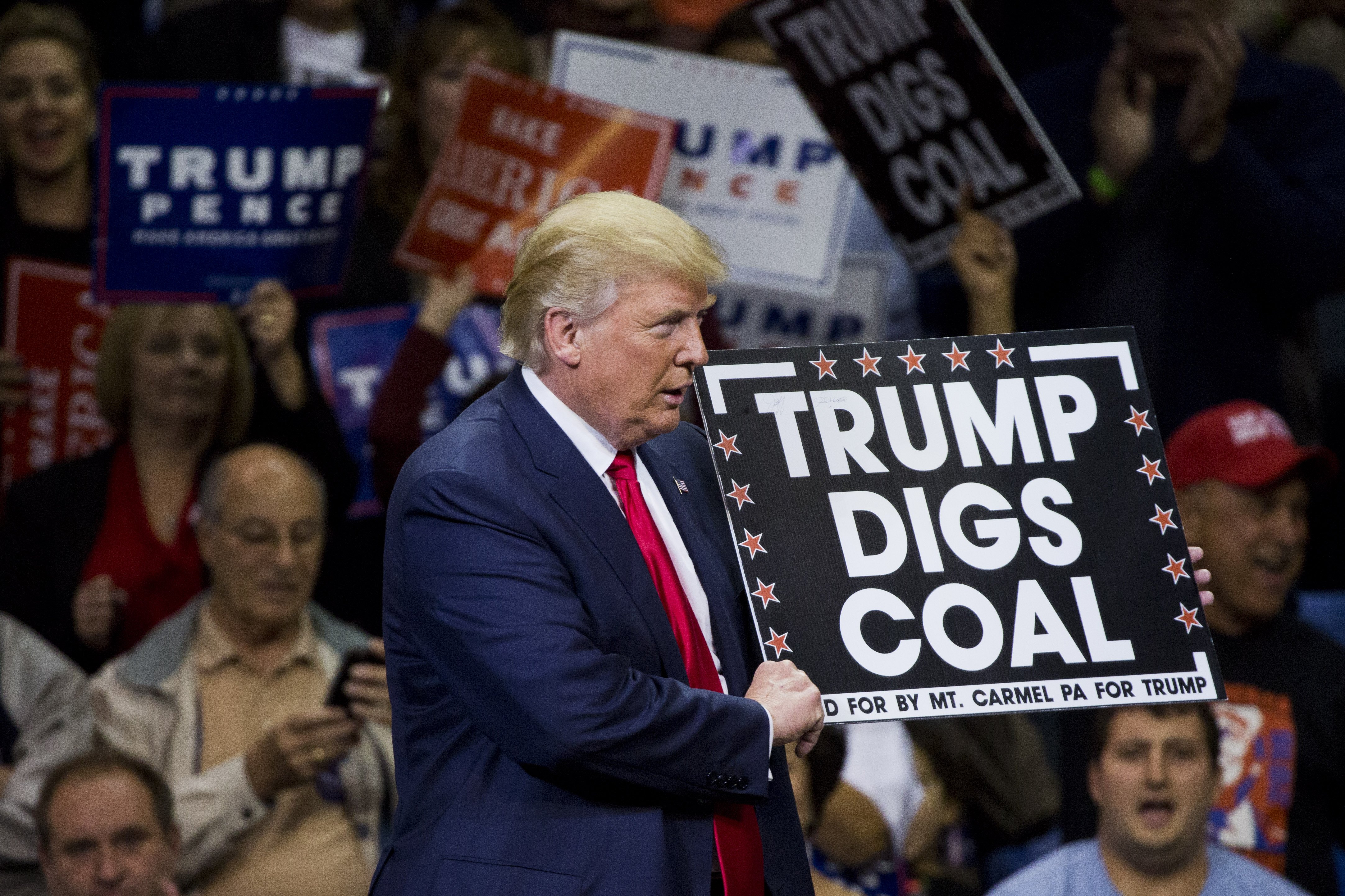
The president’s recent introduction of The Affordable Clean Energy Rule, which promises to reduce GHG emissions from coal-fired power stations has now been widely criticised due to its potential to increase net emissions in many states. The president also famously announced the United States’ planned withdrawal from the Paris Climate Agreement (PCA) in 2017, an unprecedented move away from a global approach to emissions reduction. As one of the largest GHG contributors, world leaders have suggested that the American withdrawal may cause ‘very real damage’ to the progress of the agreement.
Despite the seemingly bleak picture of climate change policy within the US, many Americans are beginning to do what they promised when Trump was elected. They have begun to fight against him.
Almost immediately after Trump declared his withdrawal from the PCA, the governors of several states announced their formation of the US Climate Alliance. Two years on, with the support of 17 states, the alliance is attempting to uphold the objectives of the 2015 Paris Agreement. Within member state borders they aim to ‘reduce greenhouse gas emissions by at least 26-28% below 2005 levels by 2025’. Although these promises offer a glimmer of hope amidst Trump’s drastic decisions, there has been continuing doubt about whether this alliance can actually make a difference.
Although the alliance is large, and backed by powerful individuals such as Michael Bloomberg, the members are among the lowest carbon emitters in the country. The states with the highest per capita emissions, such as Texas, have not signed up, meaning that the work is not being done in the most important regions. To add to the problems, state level climate policy still proves difficult to implement in a Republican administration. In Virginia this week, Bill HB 2501 (which will force greater state monitoring of GHG emissions) is unlikely to pass in a General Assembly which is controlled primarily by Republicans.
Despite the difficulties, some states within the alliance have made significant progress. Most notably, Governor Andrew Cuomo announced his ‘Green New Deal’ for New York just last week, which includes aims to double the state’s solar capacity by 2025. Moves such as this represent a significant push back against President Trump’s federal policy, which has side-lined climate concerns in favour of boosting the US fossil fuel industry.
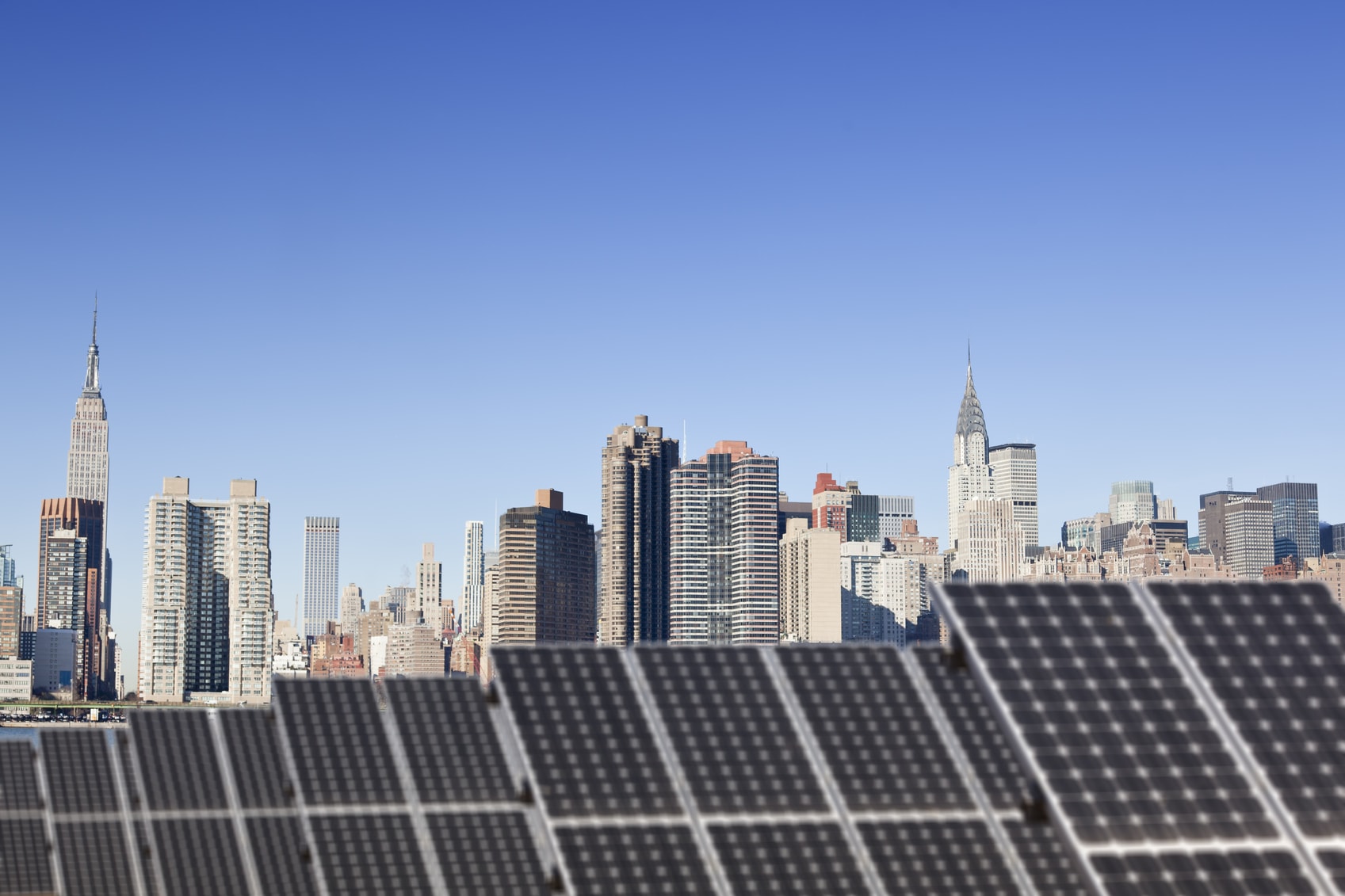
It is clear that the alliance has forced member states to consider their own climate policies, and advances in sectors such as solar energy have already been made. But this may not be enough.
One of the world’s largest GHG emitters is now being led by a man who thinks the presence of snow in his country means that climate change is fake. Only time will tell what impact his presidency will have on our climate.

