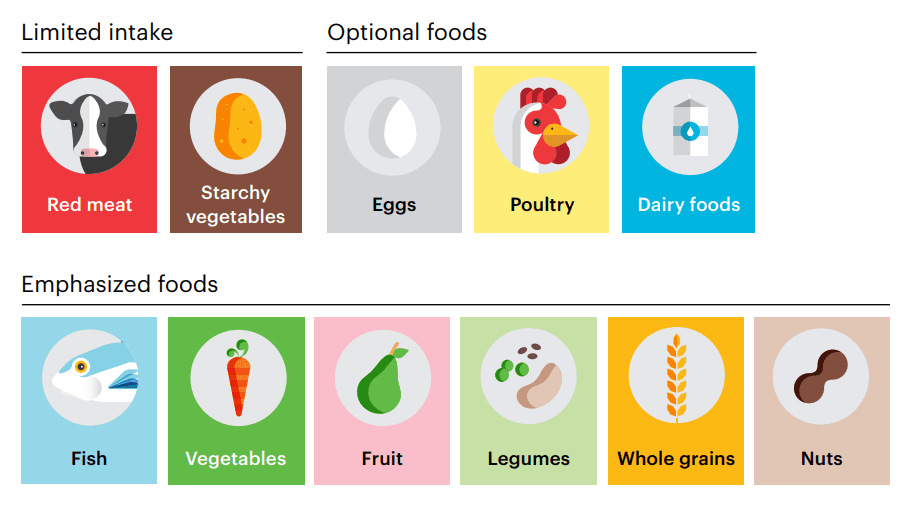
As public interest in sustainable food supply intensifies, recent research has begun to reveal how changes to our diet could help prevent the worst of climate change. A recent report from the EAT-Lancet commission suggests that we must dramatically reduce our meat consumption and focus on plant-based protein to reduce greenhouse gas emissions within our food supply chain. Although there has been a recent shift towards meat-free diets, especially amongst younger, wealthier individuals, policy may be needed to transform the way society thinks about meat consumption.
Following initiatives such as the ‘Sugar Tax’ (a 2016 policy which aimed to discourage purchasing of sugary soft drinks), a ‘Meat Tax’ has been suggested by various leaders as a way of reducing meat consumption in the UK. This tax would aim to reduce greenhouse gas emissions from British farming, as well as helping to tackle the national obesity crisis.
In January, the National Farmers’ Union president stated that UK farming must aim to cut all emissions within two decades. In 2017, agriculture contributed to 10% of the UK’s greenhouse gas emissions, the same as 2008 levels, suggesting that a radical change may be needed to tackle climate change.
“Our aim must be ambitious, to get our industry to net zero across all greenhouse gas inventories by 2040 or before.”
Minette Batters, NFU President, January 2019
A meat tax could help curb meat consumption, reducing the demand for carbon heavy products like beef. Caroline Lucas, the leader of the Green Party, has been one of the most ardent supporters of this policy. She suggests that the tax could help fund subsidies for healthier food and improve services within the NHS as well as supporting a movement towards lower carbon farming methods.
Although the tax offers a multitude of solutions to our modern problems, many have criticised the policy. Some suggest that the tax would make meat a ‘luxury item’ only available to the well-off, explaining that this is the work of a ‘nanny state’.
“It’s reverting to 18th-century rules: the poor can eat beans, while the rich eat meat. Choice becomes something only the rich deserve.”
Poppy Noor, The Guardian, January 2019
The tax also takes focus away from large corporations, directing blame towards individual consumers, instead of creating policy that tackles unethical farming practices and large-scale meat production. So perhaps a meat tax is not the answer, especially not in its current form. It does nothing to make healthier food more affordable for lower-income individuals and will likely not lead to large scale changes to UK meat production.
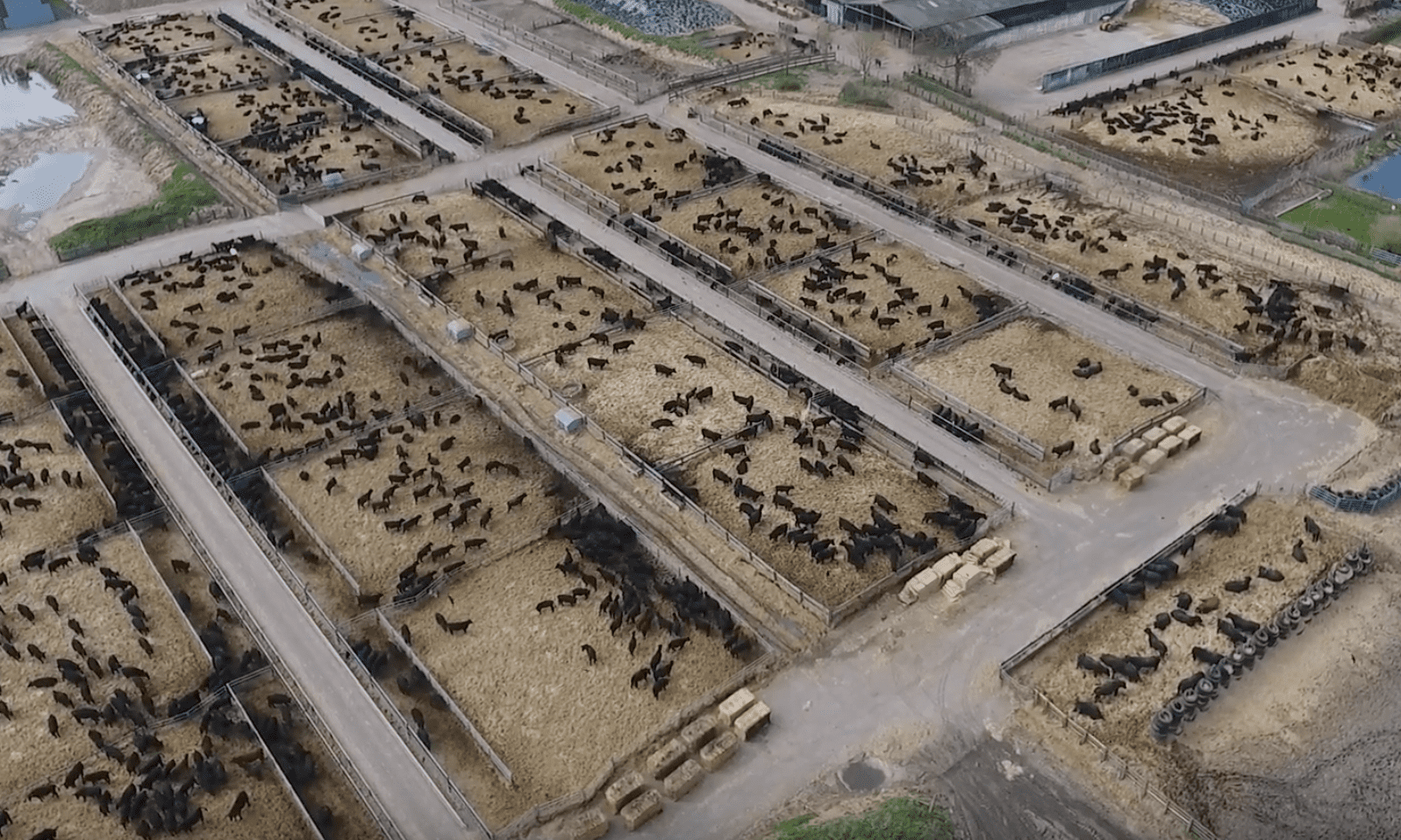
Although a meat tax is unlikely to come into effect anytime soon, something needs to be done to tackle the extensive greenhouse gas emissions caused by the farming industry. Some individuals have noted that Brexit (under a no-deal scenario) could increase prices of beef by over 60%.
In an ironic twist of fate, maybe Brexit will be the ultimate control on our society (and on our incessant meat consumption).

